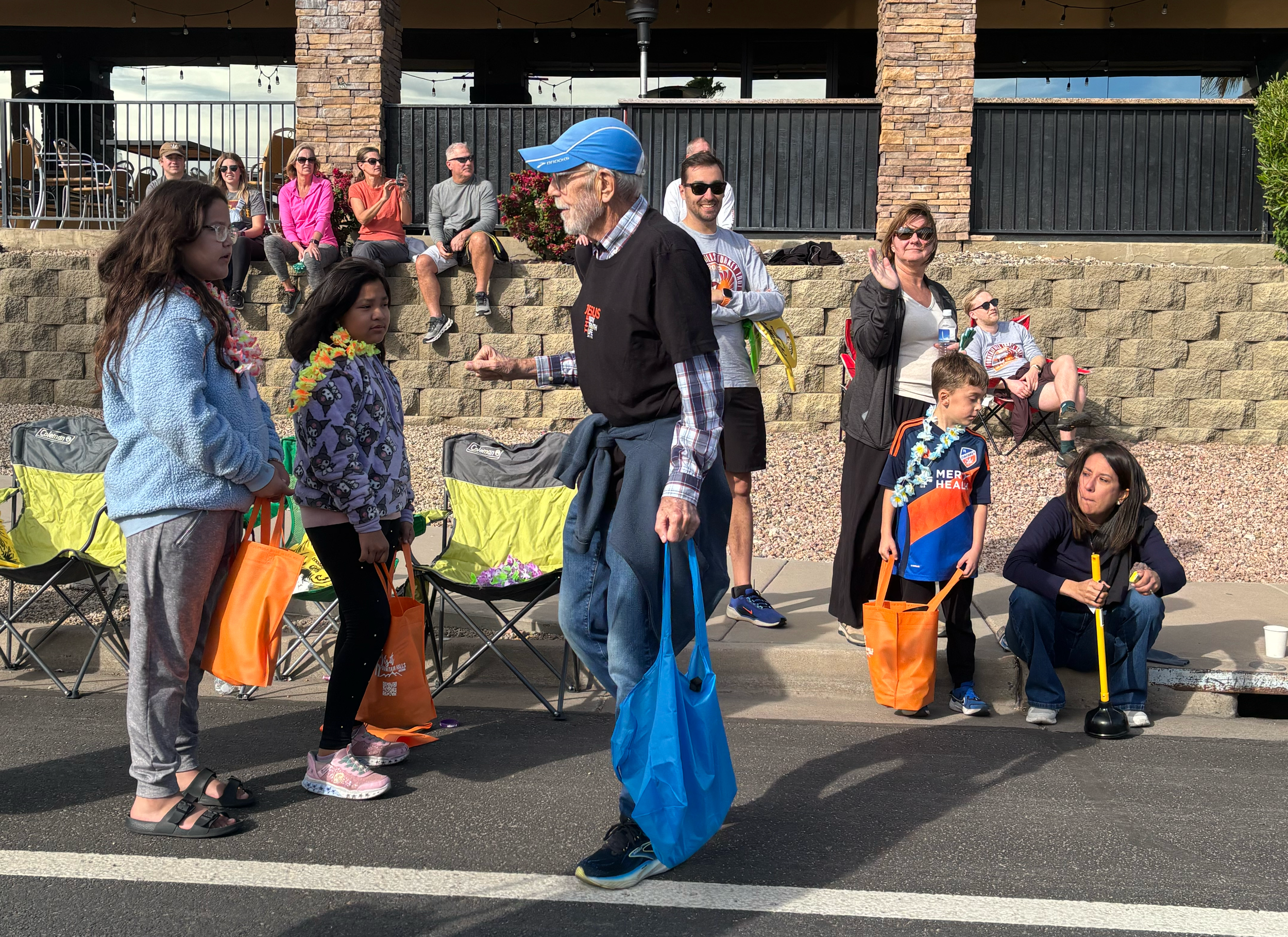
Engaging is where caring takes a step closer. It’s the difference between “I feel bad for people” and “I’m going to walk toward them.” Jesus did this repeatedly—He noticed people whom others ignored and stepped into their world: the Samaritan woman, Zacchaeus, the outcast, the overlooked (see John 4; Luke 19:1–10). Engagement is love that shows up and stays present.
We don’t wait for the perfect moments—we create spaces for real conversations. We ask questions that invite honesty, not just polite answers. Proverbs says what’s in a person’s heart is like deep water, but someone with understanding draws it out (Proverbs 20:5). That’s engagement: curiosity, patience, and the courage to keep asking, “Tell me more.”
It also means our presence is wise and our tone is gracious. We’re not trying to corner people or pressure them. We’re trying to connect. Scripture puts it this way: walk in wisdom toward outsiders, and let your speech be gracious (Colossians 4:5–6). When individuals feel respected, they lean in rather than back away. Engagement builds a bridge strong enough to carry truth.
And this is where we start planting seeds naturally—small, faith-based steps. A simple mention of what God is doing in our lives, an offer to pray, an invitation, a resource they can take with them. Jesus taught that the kingdom often works like a seed—quietly planted, growing over time (Mark 4:26–29). Engagement isn’t about forcing results. It’s about being faithful with the next step.
Engagement is critical if we want the opportunity to share the gospel, because before most people will hear what we believe, they need to feel that we actually love them. And when we engage with humility and courage, we create space for the Holy Spirit to do what only He can do.